An Owl on the Branch
As a designer and embroidery product reviewer, I often find myself evaluating machine embroidery designs for real-world use. An Owl on the Branch is one that immediately catches the eye with its serene and detailed aesthetic. This design feels like it belongs in a handmade shop or a custom apparel project, offering a timeless charm that can elevate a variety of products.
The First Impression
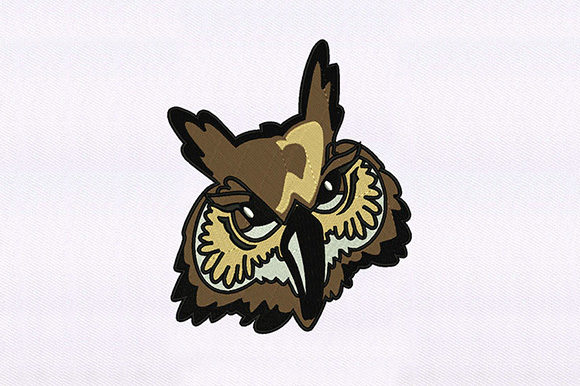
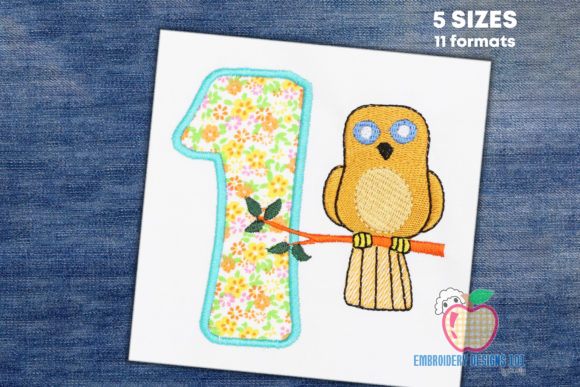
An Owl on the Branch exudes a quiet, nature-inspired mood. The owl is positioned gracefully on a branch, with a level of detail that suggests careful planning and execution. The layout is balanced, making it suitable for a range of projects from baby items to holiday gifts. The design’s visual personality is both elegant and approachable, fitting well within the Birds category of embroidery.
This design would naturally work best on a tote bag, sweatshirt, or embroidered patch. Its size options—from 4 inches to 8 inches—make it adaptable for different hoop sizes, including 4x4, 5x7, 6x10, 8x8, and 8x12. However, the specific stitch count and file details aren’t provided, so it’s wise to verify those before starting any project.
Real-Life Embroidery Use Cases
When considering An Owl on the Branch for real-life embroidery, it’s important to think about where and how it will be used. For instance, if you’re creating a custom embroidered tote bag for a client, this design could serve as a focal point. The owl’s intricate details would stand out on a light-colored fabric, but it might not hold up as well on dark or textured materials without proper adjustments.
For a sweatshirt embroidery project, the design’s size and stitch density need to be considered. If the owl is too large or dense, it could cause puckering or distortion on stretchy fabric. Similarly, when working on baby clothes, the design should be tested on soft, thin fabrics to ensure it doesn’t irritate sensitive skin.
On a patch or apron, An Owl on the Branch could add a unique touch that appeals to customers looking for personalized gifts. The design’s versatility makes it a strong candidate for small business merchandise, especially for Etsy sellers or craft fair vendors who want to offer handmade products with a personal touch.
Where to Use With Caution
While An Owl on the Branch is a solid design, there are situations where it may require extra attention. Smaller hoop sizes, such as 4x4, could limit the ability to capture all the details, especially if the design is stretched or compressed. Textured or thick fabrics may also affect the final look, potentially causing the stitches to sit unevenly or appear less crisp.
On thin or stretchy fabrics, the design may require additional stabilizer to prevent shifting or distortion. Dark fabrics could also pose a challenge, as the thread colors may not show up as clearly. It’s always a good idea to test the design on scrap fabric first to ensure it meets your expectations.
When working on curved surfaces like caps or hats, the design’s corners and edges may not lie flat as intended. Similarly, if the design includes tiny lettering or decorative accents, these elements should be inspected closely to ensure they remain visible and intact after stitching.
Impact on Visual Appeal and Product Value
An Owl on the Branch has the potential to significantly enhance the visual appeal of a finished product. Its detailed stitching and natural theme make it ideal for handmade products that aim to convey craftsmanship and care. When used effectively, this design can increase the perceived value of a product, making it more attractive to customers looking for quality and uniqueness.
From a customer perspective, an owl design can evoke feelings of wisdom, mystery, and comfort. This emotional connection can translate into higher engagement, especially for personalized gifts or holiday-themed items. For a small shop product or Etsy listing, the design’s visual appeal can play a key role in attracting buyers and building brand recognition.
When it comes to commercial embroidery projects, the design’s clarity and consistency are crucial. A poorly executed design can lead to customer dissatisfaction, while a well-stitched version can reinforce trust in your brand. As a designer, it’s important to ensure that every element of the design is properly executed, from the satin stitch to the fill stitch.
Practical Designer Notes
Before using An Owl on the Branch in any project, I recommend testing it on scrap fabric. This allows you to assess how the design looks in different conditions and make any necessary adjustments. Checking the thread color contrast is also essential, especially if you plan to use the design on dark or light backgrounds.
Reviewing the stitch density is another critical step. If the design is too dense, it may cause the fabric to pucker or become stiff. Confirming the hoop size is equally important to ensure the design fits comfortably and stitches evenly. Inspecting small details, such as the owl’s eyes or the branch’s texture, can help identify any issues that may not be apparent at first glance.
Testing the design in black and white mockups can give you a better sense of how it will look on different fabric types. Comparing it on light and dark backgrounds can also reveal any hidden problems. Using the right stabilizer is key to achieving clean, professional results, especially on delicate or stretchy fabrics.
If you’re planning to sell finished items or digital products featuring An Owl on the Branch, be sure to check the licensing terms. Some designs may have restrictions on commercial use, so it’s important to confirm that you’re compliant with any applicable rules.
Final Thoughts
An Owl on the Branch is a versatile and appealing embroidery design that can fit into a wide range of projects. Whether you're creating custom apparel, personalized gifts, or small shop merchandise, this design offers a level of detail and charm that can enhance the overall quality of your work.
By approaching it with care and attention to detail, you can ensure that it translates well into a finished product that meets your standards and delights your customers. As with any machine embroidery design, understanding its strengths and limitations is key to using it effectively in real-world applications.